Automotive Safety Training & OSHA Compliance | PCS Safety
Automotive Safety | OSHA Training | Workplace Risk Management

Automotive Safety Solutions That Protect Your Team

PCS Safety helps automotive businesses explore workplace safety training, OSHA-related education, risk assessments, and safety management solutions designed around their operational needs.

Automotive workplace safety
Automotive Safety Solutions
Automotive Workplace Readiness

Build a Safer Automotive Work Environment

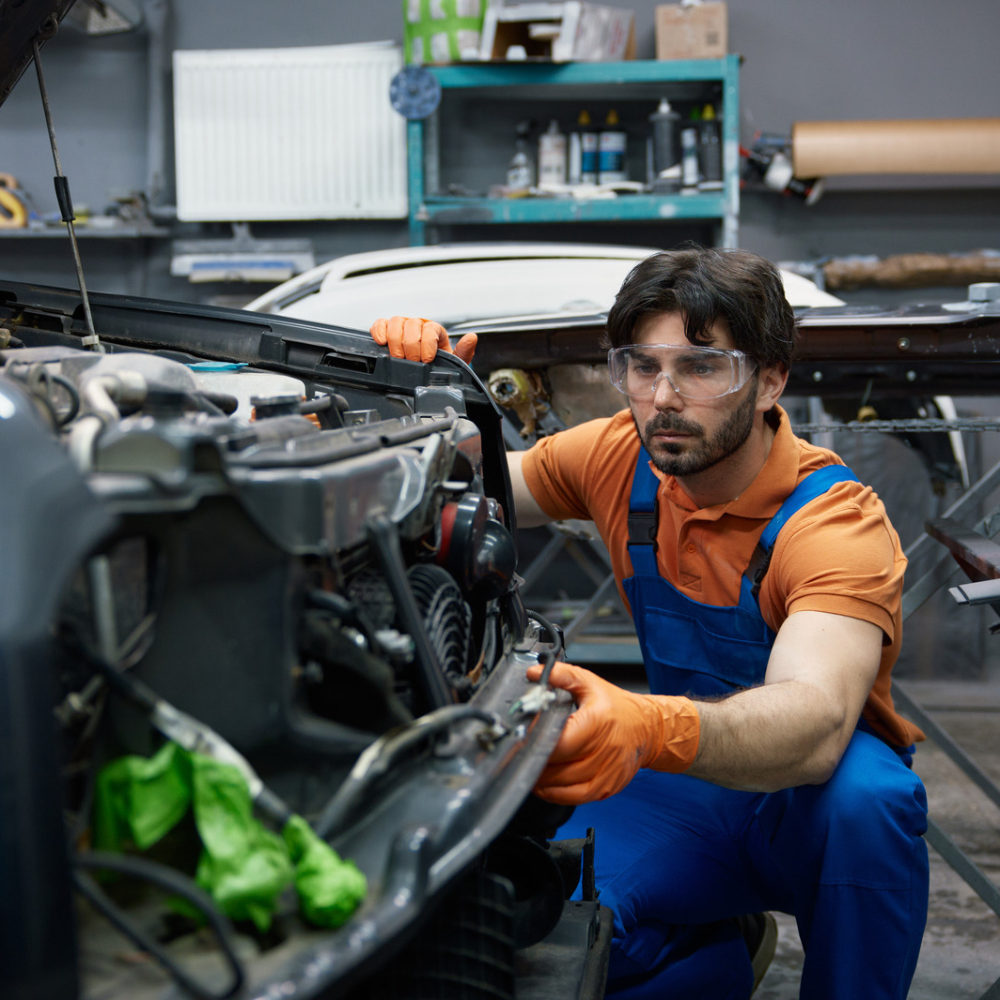
Automotive service and repair environments require employees to work around vehicles, machinery, tools, chemicals, and equipment throughout the day.

Improper equipment use, inadequate housekeeping, unsafe lifting practices, and chemical exposure can create serious workplace hazards.

PCS Safety helps automotive organizations explore safety solutions that address important areas of workplace safety, including:

  • Automotive workplace safety training
  • Vehicle lift and equipment safety
  • Hazard Communication
  • Chemical handling and storage
  • Personal Protective Equipment (PPE)
  • Electrical safety awareness
  • Machine and tool safety
  • Ergonomics and injury prevention
  • Fire prevention and emergency preparedness
  • Workplace safety inspections
  • Employee safety orientation
  • Safety management program development

Our goal is to help automotive businesses strengthen safety awareness and establish consistent workplace practices.

Automotive Safety Support

Automotive Safety Services

PCS Safety offers a range of workplace safety services that automotive organizations can explore based on their facility, equipment, workforce, and operational requirements.

01 / SUPPORT

OSHA & Automotive Workplace Safety Training

Help employees understand common workplace hazards and the safety practices relevant to automotive service and repair environments.

Training topics may include:
  • OSHA 10-Hour and 30-Hour General Industry training options
  • Hazard Communication
  • Personal Protective Equipment (PPE)
  • Electrical safety awareness
  • Machine and equipment safety
  • Walking-working surfaces
  • Fire prevention
  • Chemical handling
  • Emergency action procedures
  • Workplace hazard recognition
  • Ergonomics and injury prevention

Course availability and credentials depend on the selected training program and authorized provider.

Explore this service
02 / SUPPORT

Vehicle Lift & Equipment Safety

Vehicle lifts, jacks, hoists, and other automotive equipment require appropriate operating procedures and regular attention to safety.

Training and support topics may include:
  • Vehicle lift safety awareness
  • Equipment inspection procedures
  • Safe vehicle positioning
  • Load capacity awareness
  • Proper lifting and lowering practices
  • Jack and jack stand safety
  • Equipment operating procedures
  • Recognizing equipment defects
  • Workplace hazard reporting
  • Safe access around elevated vehicles
Explore this service
03 / SUPPORT

Hazard Communication & Chemical Safety

Automotive facilities commonly use oils, lubricants, solvents, paints, adhesives, cleaning agents, fuels, and other potentially hazardous substances.

Training and program support may include:
  • Hazard Communication training
  • Safety Data Sheet (SDS) awareness
  • Chemical labeling requirements
  • Chemical hazard recognition
  • Safe storage and handling procedures
  • Personal Protective Equipment selection awareness
  • Spill response awareness
  • Employee exposure awareness
  • Workplace chemical safety procedures
Explore this service
04 / SUPPORT

Electrical & Battery Safety Awareness

Automotive workplaces may involve vehicle electrical systems, batteries, charging equipment, power tools, and other electrical hazards.

Safety topics may include:
  • Electrical hazard recognition
  • Safe use of electrical equipment
  • Battery handling awareness
  • Charging area safety
  • Electrical equipment inspection
  • Personal Protective Equipment
  • Workplace emergency procedures

Facilities servicing hybrid and electric vehicles may need additional vehicle-specific training and procedures for high-voltage systems. General workplace safety training should not be treated as a substitute for specialized high-voltage vehicle training.

Explore this service
05 / SUPPORT

Automotive Shop Safety Inspections & Risk Assessments

Regular workplace safety reviews can help automotive businesses identify potential hazards and opportunities to improve employee safety practices.

Assessment areas may include:
  • Vehicle service bays
  • Vehicle lifts and equipment
  • Tool storage and maintenance areas
  • Chemical storage locations
  • Electrical equipment
  • Compressed air systems
  • Walkways and work surfaces
  • Fire safety equipment
  • Emergency exits and access routes
  • Employee PPE practices
  • Workplace housekeeping

PCS Safety can help organizations explore inspection and assessment services based on their facility and operational needs.

Explore this service
06 / SUPPORT

Automotive Safety Management Programs

A documented safety management approach helps establish consistent procedures across service bays, maintenance departments, and employee teams.

Program development and support may include:
  • Written workplace safety programs
  • Injury and Illness Prevention Program (IIPP) support
  • Hazard Communication programs
  • Emergency action planning
  • Employee safety orientation
  • Chemical safety procedures
  • Incident reporting procedures
  • Corrective action planning
  • Safety meeting and toolbox talk resources
  • Workplace safety policies and procedures

Programs should reflect actual facility operations, equipment, employee responsibilities, and applicable regulatory requirements.

Explore this service
07 / SUPPORT

First Aid, CPR & AED Training Options

Automotive workplaces should consider emergency preparedness for employees who work around vehicles, machinery, tools, and hazardous materials.

Training options may include:
  • First Aid awareness
  • CPR training
  • AED operation
  • Emergency recognition
  • Workplace medical emergency procedures
  • Emergency communication and response coordination

Course availability, certification, and instructor authorization depend on the selected training provider.

Explore this service
Recognize the Risks

Common Automotive Workplace Hazards

Automotive businesses face different workplace hazards depending on the services performed, equipment used, and materials handled. Identifying these risks is an important part of developing an effective workplace safety program.

01

Vehicle Lift and Equipment Hazards

Improper vehicle positioning, overloaded lifts, equipment defects, and unsafe lifting practices can create serious risks for technicians working around elevated vehicles.

02

Chemical and Hazardous Material Exposure

Automotive employees may work with fuels, solvents, lubricants, cleaning products, paints, and other substances that require appropriate handling and protective measures.

03

Electrical Hazards

Electrical systems, power tools, battery charging equipment, and vehicle electrical components require proper precautions and safe work procedures.

04

Fire and Explosion Risks

Flammable liquids, combustible materials, fuel systems, electrical equipment, and improper storage practices can increase fire risks.

05

Slips, Trips, and Falls

Oil spills, coolant leaks, loose tools, hoses, cords, and cluttered service bays can create slip and trip hazards.

06

Ergonomic and Manual Handling Injuries

Lifting heavy vehicle components, working in awkward positions, and performing repetitive tasks can contribute to musculoskeletal injuries.

07

Tool and Machinery Hazards

Power tools, grinders, presses, compressors, and other equipment can cause injuries when used without appropriate safeguards and procedures.

08

Compressed Air and Tire Service Hazards

Compressed air systems, tire inflation, and wheel service activities require appropriate equipment, procedures, and employee awareness.

Business-Specific Support

Safety Support for Different Automotive Businesses

Automotive businesses operate in different environments, each with its own workplace safety considerations. PCS Safety helps organizations explore safety solutions based on their operations and employee responsibilities.

01

Auto Repair Shops

Support safer repair environments through equipment safety education, Hazard Communication, workplace inspections, and employee safety training.

02

Automotive Dealerships

Explore workplace safety solutions for service departments, vehicle maintenance areas, parts departments, and facility operations.

03

Vehicle Maintenance Facilities

Address safety concerns involving vehicle lifts, tools, electrical systems, chemical handling, and equipment maintenance.

04

Fleet Maintenance Operations

Strengthen safety practices for employees responsible for maintaining company vehicles, service equipment, and maintenance facilities.

05

Tire & Wheel Service Centers

Explore safety topics involving tire handling, wheel equipment, compressed air, lifting procedures, and workplace hazards.

06

Auto Body & Collision Repair Shops

Support safer work environments involving paint products, solvents, sanding equipment, power tools, welding activities, and chemical exposure.

07

Automotive Parts & Service Warehouses

Improve safety awareness around material handling, storage, forklifts, pedestrian traffic, and warehouse equipment.

People & Responsibilities

Support for Automotive Business Owners, Managers & Technicians

Workplace safety requires coordination across the automotive organization. PCS Safety helps businesses explore safety support based on the responsibilities of different employee groups.

Automotive Business Owners

Support workplace safety planning, written programs, and employee training initiatives.

Service Managers

Strengthen employee safety communication, equipment awareness, and service department procedures.

Shop Supervisors

Improve hazard recognition, workplace organization, and consistent safety practices across service teams.

Automotive Technicians

Provide access to training options that help employees recognize equipment hazards and follow safe work procedures.

Parts & Warehouse Personnel

Support safer material handling, storage, forklift operations, and workplace traffic management.

Maintenance Teams

Explore safety education related to equipment servicing, electrical hazards, and maintenance procedures.

A Clear Path Forward

Our Approach to Automotive Safety

Every automotive business has different equipment, services, facility conditions, and employee responsibilities. PCS Safety helps organizations explore a practical approach to workplace safety.

01

Understand Your Operations

Identify your automotive services, facility layout, equipment, workforce, and daily activities.

02

Identify Potential Hazards

Review relevant risks involving vehicles, lifts, tools, chemicals, electrical systems, and workplace conditions.

03

Explore Appropriate Solutions

Determine which training, safety program, inspection, or consulting options may support your organization.

04

Strengthen Workplace Procedures

Support the development and improvement of safety procedures, employee education, and corrective action initiatives.

05

Support Continuous Improvement

Review workplace safety practices and identify opportunities to improve employee awareness and operational safety.

Automotive workplace safety support from PCS Safety
Your Automotive Safety Partner

Why Choose PCS Safety for Automotive Safety Support?

Automotive businesses need workplace safety solutions that consider the tools, equipment, materials, and activities employees handle every day.

Industry-Relevant Safety Solutions

Explore training and consulting options relevant to automotive repair, maintenance, dealerships, and service facilities.

Comprehensive Workplace Safety Support

Connect employee education, safety management programs, risk assessments, and workplace inspections.

Focus on Shop Hazards

Address important safety concerns involving vehicle lifts, chemicals, electrical systems, tools, and equipment.

Support for Different Automotive Operations

Explore solutions based on your facility, workforce, services, and operational requirements.

A Broader Safety Management Approach

Connect automotive safety initiatives with ongoing employee education and organizational safety improvement.

Automotive Safety Guidance

Frequently Asked Questions

Find answers about automotive safety training, equipment safety, chemical handling, and workplace support.

PCS Safety offers automotive-focused safety support options that may include OSHA-related training, Hazard Communication, workplace safety assessments, equipment safety education, safety management program development, and consulting support.

Automotive Safety Support

Let's Build a Safer Automotive Workplace

Your technicians, equipment, and service operations are essential to your business. Protecting them starts with recognizing workplace hazards, establishing clear procedures, and supporting employee training.