Manufacturing Safety Consulting & OSHA Training | PCS Safety
Manufacturing Safety | OSHA Training | Industrial Risk Management

Manufacturing Safety Solutions That Protect Your Workforce

Manufacturing environments involve machinery, production equipment, raw materials, chemicals, powered industrial trucks, and fast-paced operations. Without appropriate safety procedures and employee training, these conditions can expose workers to serious hazards.

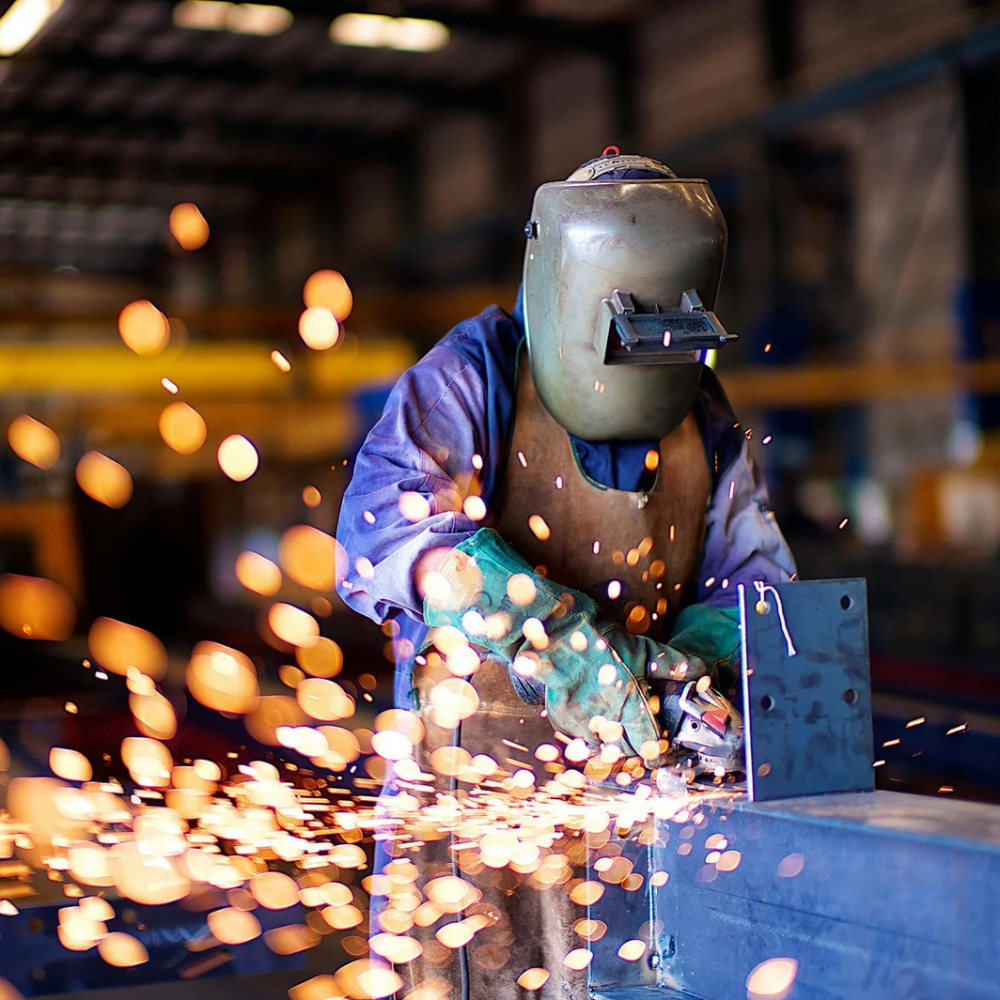
Manufacturing workplace safety and production operations
Manufacturing Safety Solutions
Production Floor Readiness

Build a Safer Manufacturing Environment

Manufacturing operations depend on people, equipment, processes, and materials working together. Each part of the production environment can introduce potential workplace hazards.

From machine operation and material handling to chemical exposure and repetitive tasks, employees need to understand the risks associated with their responsibilities.

PCS Safety helps organizations explore safety solutions that support important areas of manufacturing workplace safety, including:

  • Machinery and equipment safety
  • Lockout/Tagout procedures
  • Hazard Communication
  • Personal Protective Equipment (PPE)
  • Powered industrial truck safety
  • Material handling procedures
  • Electrical hazard awareness
  • Ergonomics and injury prevention
  • Workplace safety inspections
  • Employee safety training
  • Incident investigation and corrective actions

A well-organized safety approach helps employees recognize hazards, follow established procedures, and contribute to a safer production environment.

Manufacturing Safety Support

Manufacturing Safety Services

PCS Safety offers a range of workplace safety services that manufacturing organizations can explore based on their operations, equipment, workforce, and safety requirements.

01 / SAFETY SUPPORT

OSHA & General Industry Safety Training

Help employees understand workplace hazards and safe work practices relevant to manufacturing environments.

Training topics may include:
  • OSHA 10-Hour General Industry training options
  • OSHA 30-Hour General Industry training options
  • Hazard Communication
  • Personal Protective Equipment (PPE)
  • Lockout/Tagout awareness and training
  • Machine guarding awareness
  • Electrical safety
  • Walking-working surfaces
  • Industrial housekeeping
  • Material handling safety
  • Emergency action procedures

Course availability and credentials depend on the selected training program and authorized provider.

Explore this service →
02 / SAFETY SUPPORT

Machine Guarding & Equipment Safety

Manufacturing machinery can create serious risks when employees come into contact with moving parts, rotating components, pinch points, and other hazardous areas.

Safety training and support topics may include:
  • Machine hazard recognition
  • Machine guarding awareness
  • Moving parts and pinch-point hazards
  • Safe equipment operating procedures
  • Equipment inspection practices
  • Emergency stop awareness
  • Safe access to machinery
  • Maintenance safety procedures
Explore this service →
03 / SAFETY SUPPORT

Lockout/Tagout (LOTO) Safety

Lockout/Tagout procedures help protect employees from the unexpected startup or release of hazardous energy during servicing and maintenance activities.

Training and program support may include:
  • Hazardous energy awareness
  • Lockout/Tagout procedures
  • Energy isolation principles
  • Authorized employee training
  • Affected employee awareness
  • Equipment-specific procedures
  • Periodic inspection program support
  • Employee responsibilities

Employers must develop and implement procedures appropriate to their equipment and applicable OSHA requirements.

Explore this service →
04 / SAFETY SUPPORT

Hazard Communication & Chemical Safety

Manufacturing facilities may use chemicals, solvents, cleaning agents, coatings, and other hazardous substances throughout production activities.

Safety training and program support may include:
  • Hazard Communication training
  • Safety Data Sheet (SDS) awareness
  • Chemical labeling requirements
  • Chemical hazard recognition
  • Personal Protective Equipment selection awareness
  • Safe chemical handling procedures
  • Chemical storage and workplace organization
  • Employee exposure awareness
Explore this service →
05 / SAFETY SUPPORT

Forklift & Material Handling Safety

Manufacturing operations often involve moving raw materials, finished products, pallets, and supplies throughout the facility.

Training topics may include:
  • Forklift operator training options
  • Powered industrial truck safety
  • Pre-operation equipment inspections
  • Load capacity and stability
  • Safe material handling
  • Pedestrian and equipment separation
  • Warehouse and production floor traffic
  • Loading and unloading procedures
Explore this service →
06 / SAFETY SUPPORT

Manufacturing Safety Inspections & Risk Assessments

Regular workplace safety reviews can help identify hazards and areas that may need corrective action.

Assessment areas may include:
  • Production floor conditions
  • Machine guarding practices
  • Lockout/Tagout procedures
  • Electrical safety conditions
  • Chemical storage and handling
  • Emergency exits and access routes
  • Material storage practices
  • Equipment operating conditions
  • Employee PPE practices
  • Workplace housekeeping

PCS Safety can help organizations explore inspection and assessment services based on their facility and operational needs.

Explore this service →
07 / SAFETY SUPPORT

Manufacturing Safety Management Programs

A documented safety management approach helps establish consistent expectations across departments, shifts, and production teams.

Program development and support may include:
  • Written workplace safety programs
  • Injury and Illness Prevention Program (IIPP) support
  • Hazard Communication programs
  • Lockout/Tagout program support
  • Emergency action planning
  • Employee safety orientation
  • Incident reporting procedures
  • Corrective action planning
  • Safety meeting and toolbox talk resources
  • Workplace safety policies and procedures

Programs should reflect actual facility operations, equipment, employee responsibilities, and applicable regulatory requirements.

Explore this service →
Recognize the Risks

Common Manufacturing Workplace Hazards

Manufacturing facilities face a range of hazards depending on the type of production, equipment, materials, and processes involved. Identifying these hazards is an important part of building an effective workplace safety program.

01

Machinery and Moving Equipment

Moving parts, rotating machinery, conveyor systems, and automated equipment can create serious injury risks when appropriate guarding and safe operating procedures are not followed.

02

Hazardous Energy

Unexpected equipment startup or the release of stored energy during servicing and maintenance can expose employees to serious injuries.

03

Chemical Exposure

Manufacturing processes may involve chemicals, fumes, vapors, dust, and other substances that require appropriate hazard communication and protective measures.

04

Forklift and Material Handling Incidents

Powered industrial trucks, heavy materials, and active production areas can create collision, struck-by, and falling-load hazards.

05

Ergonomic Risks

Repetitive movements, awkward postures, heavy lifting, and prolonged standing can contribute to musculoskeletal injuries.

06

Slips, Trips, and Falls

Spills, cluttered walkways, uneven surfaces, and poor housekeeping can increase the risk of workplace incidents.

07

Electrical Hazards

Electrical equipment, wiring, maintenance activities, and energized systems require appropriate precautions and established procedures.

08

Fire and Emergency Risks

Flammable materials, electrical equipment, production processes, and chemical storage can create fire and emergency preparedness concerns.
Facility-Specific Support

Safety Support for Different Manufacturing Operations

Manufacturing businesses operate across different production environments. Safety requirements and training needs should reflect the processes and hazards involved. PCS Safety helps organizations explore workplace safety solutions for different manufacturing settings.

01

General Manufacturing

Support safer production environments through employee safety training, hazard recognition, workplace inspections, and safety program development.

02

Food & Beverage Manufacturing

Explore safety topics related to machinery, material handling, cleaning chemicals, workplace ergonomics, and production floor hazards.

03

Metal Fabrication & Processing

Address workplace risks involving cutting equipment, welding operations, metal handling, machinery, and electrical systems.

04

Automotive Manufacturing

Explore safety support for assembly operations, powered equipment, material handling, machinery, and production workflows.

05

Chemical & Industrial Manufacturing

Identify training and safety management needs involving hazardous substances, chemical handling, energy control, and emergency preparedness.

06

Packaging & Distribution Operations

Strengthen safety practices involving conveyors, packaging machinery, forklifts, material handling, and warehouse traffic.

People & Responsibilities

Support for Manufacturing Managers, Supervisors & Employees

Workplace safety is a shared responsibility across the manufacturing organization. PCS Safety helps businesses explore safety support that considers the responsibilities of different employees and management teams.

Plant Managers

Support facility-wide safety initiatives, workplace procedures, and risk management planning.

Production Supervisors

Strengthen employee safety communication, hazard awareness, and safe operating practices across production teams.

Maintenance Personnel

Explore safety training related to hazardous energy, equipment servicing, electrical hazards, and maintenance activities.

Warehouse & Material Handling Teams

Support safe forklift operation, material handling, storage, and workplace traffic management.

Manufacturing Employees

Provide access to training options that help employees recognize hazards and follow safe work procedures.

A Clear Path Forward

Our Approach to Manufacturing Safety

Every manufacturing facility has different equipment, processes, and operational requirements. Safety solutions should reflect the actual conditions employees encounter. PCS Safety helps organizations explore a practical approach to workplace safety.

01

Understand Your Operations

Identify production processes, facility conditions, equipment, employee responsibilities, and workplace activities.

02

Identify Potential Hazards

Review relevant risks involving machinery, chemicals, material handling, electrical systems, and employee work practices.

03

Explore Appropriate Solutions

Determine which training, safety program, inspection, or consulting options may support your facility.

04

Strengthen Workplace Procedures

Support the development and improvement of safety procedures, employee education, and corrective action initiatives.

05

Support Continuous Improvement

Review workplace safety practices and identify opportunities to improve employee awareness and operational safety.

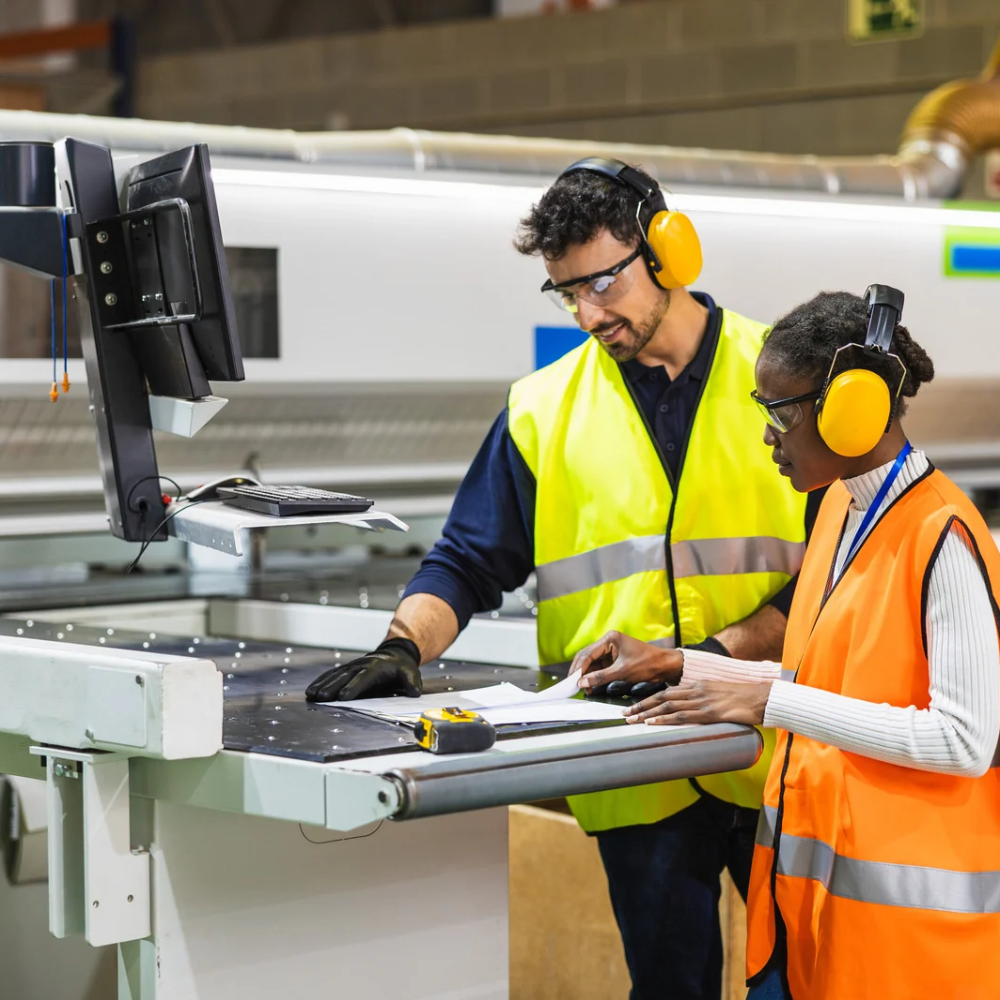
Manufacturing safety planning and workplace support from PCS Safety
Your Manufacturing Safety Partner

Why Choose PCS Safety for Manufacturing Safety Support?

Manufacturing businesses need safety solutions that consider production demands, employee responsibilities, and workplace hazards.

Industry-Relevant Safety Solutions

Explore training and consulting options relevant to industrial and manufacturing environments.

Comprehensive Workplace Safety Support

Connect employee training, safety management programs, risk assessments, and workplace inspections.

Focus on Operational Hazards

Address important safety topics involving machinery, chemicals, equipment, and material handling.

Support for Different Facility Needs

Explore solutions based on your production processes, workforce, and operational requirements.

A Broader Safety Management Approach

Connect manufacturing safety initiatives with ongoing employee education and organizational safety improvement.

Manufacturing Safety Guidance

Frequently Asked Questions

Find answers about manufacturing safety training, workplace assessments, and employee support.

PCS Safety offers manufacturing-focused safety support options that may include OSHA-related training, workplace safety assessments, safety management program development, equipment safety education, and consulting support.

Manufacturing Safety Support

Improve Manufacturing Safety with PCS Safety

A safer manufacturing environment starts with recognizing workplace hazards, preparing employees, and establishing clear safety procedures.