OSHA & Workplace Safety Training
Topics may include:Course availability and credentials depend on the selected training program and authorized provider.
Explore this service →
Transportation and logistics operations depend on people, vehicles, equipment, warehouses, and distribution networks working together. From loading docks and warehouse floors to delivery operations and fleet activities, employees face different safety challenges throughout the workday.
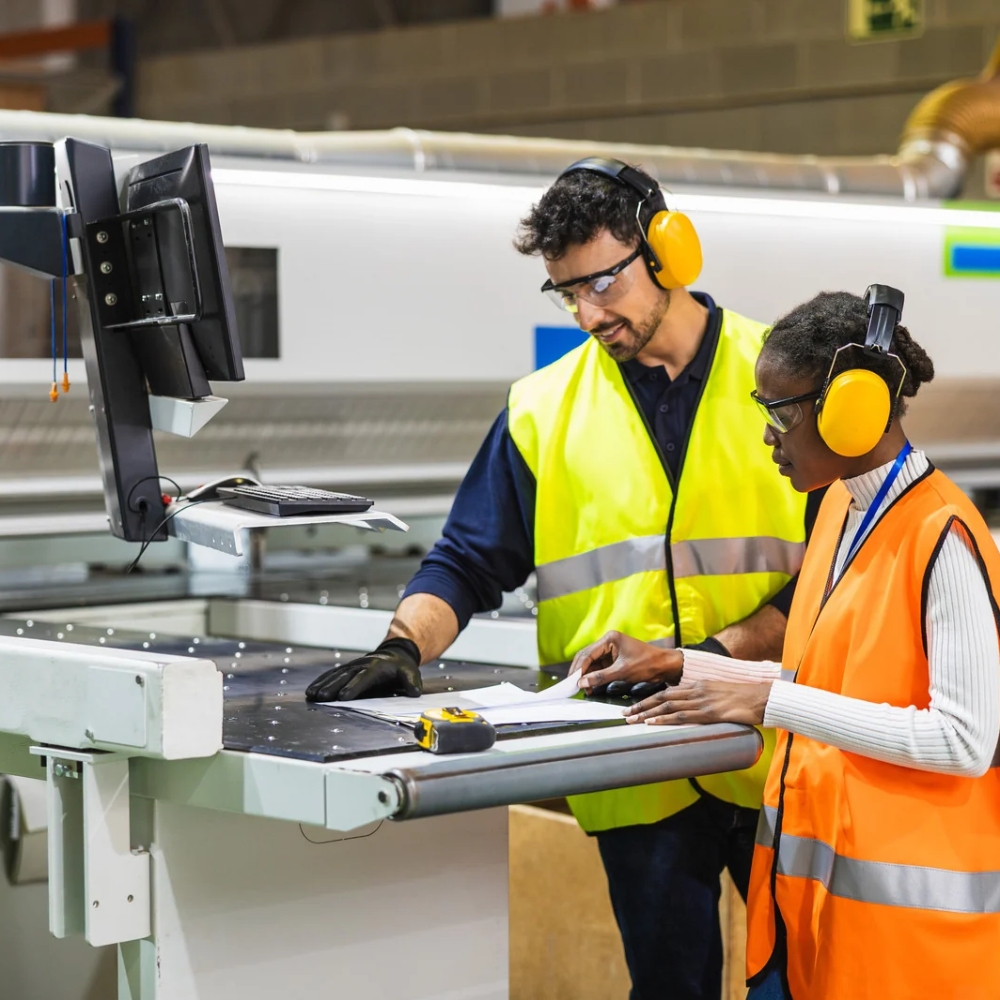
Transportation and logistics environments involve constant movement. Employees may work around forklifts, delivery vehicles, loading equipment, heavy materials, pedestrian traffic, and warehouse machinery.
Without appropriate training and workplace procedures, these activities can expose employees to collisions, struck-by incidents, falls, equipment-related injuries, and other hazards.
PCS Safety helps organizations explore safety solutions that address important areas of transportation and logistics workplace safety, including:
Our goal is to help businesses build safer work environments while supporting the people responsible for keeping goods and materials moving.
PCS Safety offers a range of workplace safety services that transportation and logistics organizations can explore based on their facilities, fleet activities, equipment, and workforce requirements.
Course availability and credentials depend on the selected training program and authorized provider.
Explore this service →Training and operator evaluation must be appropriate to the equipment and workplace conditions. Contact PCS Safety to confirm available programs and arrangements.
Explore this service →Fleet operations may also be subject to transportation-specific requirements, including applicable Department of Transportation (DOT) and Federal Motor Carrier Safety Administration (FMCSA) regulations. These requirements should be evaluated separately from general OSHA workplace safety obligations.
Explore this service →PCS Safety can help organizations explore inspection and assessment services based on their facility and operational needs.
Explore this service →Programs should reflect the organization's activities, workplace hazards, and applicable regulatory requirements.
Explore this service →Transportation and logistics operations involve several workplace hazards that can affect drivers, warehouse employees, equipment operators, and other personnel. Identifying these risks is an important step toward improving workplace safety.
Transportation and logistics businesses operate in different environments, each with its own safety considerations. PCS Safety helps organizations explore workplace safety solutions based on their operational activities.
Workplace safety requires coordination across transportation and logistics operations. PCS Safety helps organizations explore safety support based on the responsibilities of different employee groups.
Every transportation and logistics operation has different facilities, equipment, employee responsibilities, and workplace conditions. PCS Safety helps organizations explore a practical approach to workplace safety.

Transportation and logistics businesses need safety solutions that consider operational demands, equipment use, employee responsibilities, and workplace conditions.
Find answers about transportation and logistics safety training, warehouse procedures, forklift support, and workplace safety solutions.
PCS Safety offers transportation and logistics-focused safety support options that may include workplace safety training, warehouse safety education, forklift training coordination, risk assessments, safety management program development, and consulting support.
Warehouse safety training options may cover material handling, forklift hazards, pedestrian safety, loading dock procedures, housekeeping, storage practices, and emergency preparedness. Contact PCS Safety to confirm available programs.
Forklift and powered industrial truck training options may be available depending on the equipment, training provider, and scheduling requirements. Training should include appropriate instruction and operator evaluation.
Common hazards include forklift incidents, vehicle and pedestrian collisions, falling objects, unstable loads, slips and trips, manual handling injuries, and unsafe loading dock conditions.
PCS Safety can help organizations explore safety training and workplace assessment options involving loading dock hazards, vehicle movement, material handling, and employee safety procedures.
OSHA requirements may apply to warehouse, material handling, and other workplace activities. Certain transportation operations may also be subject to DOT and FMCSA regulations. The applicable requirements depend on the work being performed and the operation involved.
No. Forklift training addresses powered industrial truck operator requirements, but warehouse safety also involves traffic management, storage, material handling, housekeeping, emergency procedures, and other applicable workplace responsibilities.
PCS Safety can help organizations explore written safety program development and support options. Programs should reflect the facility's actual hazards, work activities, and applicable requirements.
Organizations may benefit from combining operator training, workplace assessments, safety program development, and employee education. Contact PCS Safety to discuss available arrangements.
Contact PCS Safety with information about your facilities, workforce, equipment, and safety concerns. The team can help you explore relevant workplace safety services and training options.
Your employees, equipment, and facilities are essential to your transportation and logistics operations. Protecting them starts with recognizing workplace hazards, establishing clear procedures, and supporting employee training.